Enjoy $10 off every $100 spend. T&Cs apply.
Buying Guides
Air Conditioner Buying Guide: Choose the Right One for You
Introduction
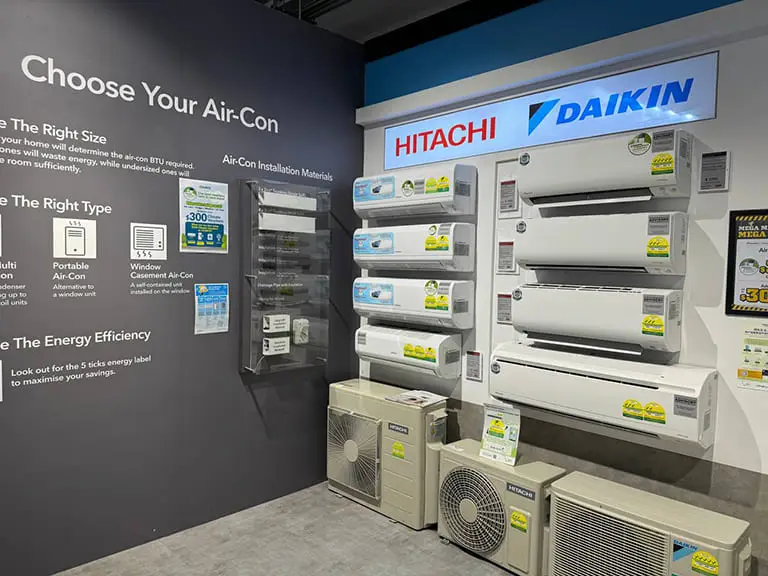
Having the right air conditioner is not just a want; it is a need. This is especially true in Singapore, where temperatures and humidity levels are high throughout the year. But with the many options available, choosing the optimal air conditioner can be quite overwhelming.
This air conditioner buying guide will help you choose the right one for your home. We will guide you towards making a well-informed decision, from energy efficiency to all the latest smart features.
Measure Your Space: Pick the Correct BTU
Before looking at air conditioner features, it is important to know the size of your space. The cooling capacity of an air conditioner is measured in BTUs, or British Thermal Units. People measure some air conditioners in KWH, or kilowatt-hour.
You can convert this to BTU by multiplying the KWH value by 3412. If your air conditioner doesn't match your room size, it may cool inefficiently or waste energy. The following is a quick guide to help you select the right BTU for the size of your room:
| Room Size | Recommended BTU Range |
|---|---|
|
HDB common room (12-16 sqm) |
9,000-10,000 BTUs |
|
HDB master bedroom (12-16 sqm) |
11,000-12,000 BTUs |
|
4-room flat living room (90-110 sqm) |
16,000-24,000 BTUs |
A 9,000 BTU air conditioner is ideal for cooling a HDB common room, while large spaces such as a living room requires a higher BTU for optimal comfort.
Cooling Efficiency
Factors that will limit the cooling efficiency of your air conditioner include:
- Ventilation
A good ventilation system improves airflow, helping to spread cool air efficiently and reducing the need for air conditioning. This is especially useful when outdoor temperatures are lower than indoors, enabling the use of "free cooling" during cooler periods of the day. - Sunlight
Direct sunlight raises indoor temperatures, increasing the cooling demand. Buildings with large windows or insufficient shading are prone to significant heat gain, leading to higher energy consumption for cooling. For instance, having awnings or shelters can help reduce heat by blocking direct sunlight. - Number of People
More people in the room generate additional heat through body warmth and activities, increasing the demand for cooling.
Energy Efficiency: Economising Energy Costs
With air conditioners running practically all year round, living in Singapore makes energy efficiency important. An energy-efficient air conditioner can save you money on electricity bills over time.
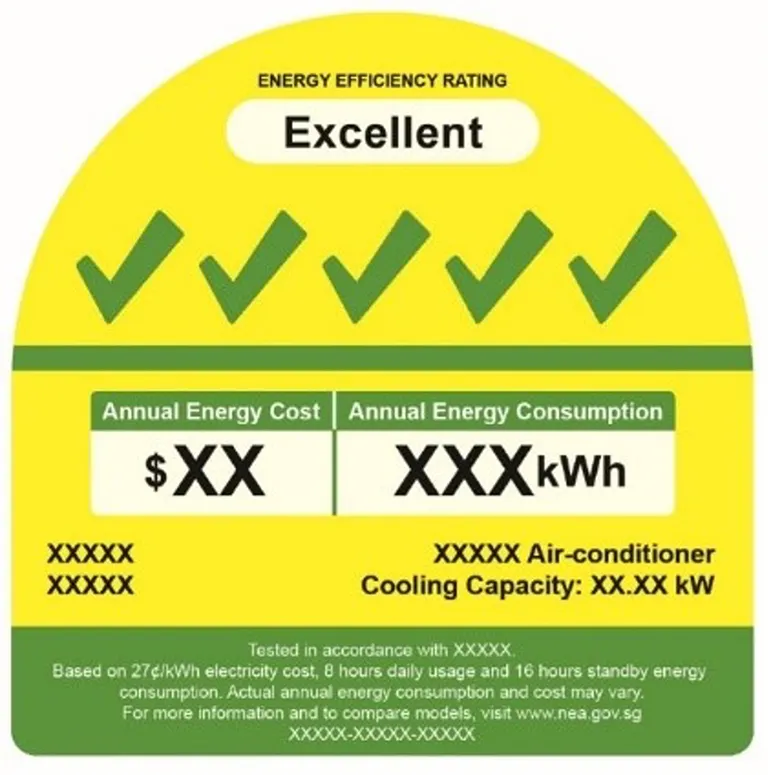
Another crucial factor to consider is the Energy Efficiency Ratio (EER). In Singapore, ratings regarding appliances, especially air conditioners, are provided by the National Environment Agency (NEA). A higher value of EER and more NEA ticks mean low energy consumption, leading to lower operating costs.
4-5 Tick NEA ratings are energy-efficient hence assuring bigger savings after some time.
Look for those models with a 5-tick NEA rating so you are assured that you get a unit offering energy savings on home cooling.
Bonus tip: 5-tick NEA rating air conditioners can be purchased with climate vouchers.
Types of Air Conditioners: Which is the best air con for your home?
Many kinds of air conditioning units exist for different needs. Let me break them down for you to better understand which one is the most optimal air conditioner for you.
1. Portable Air Conditioning
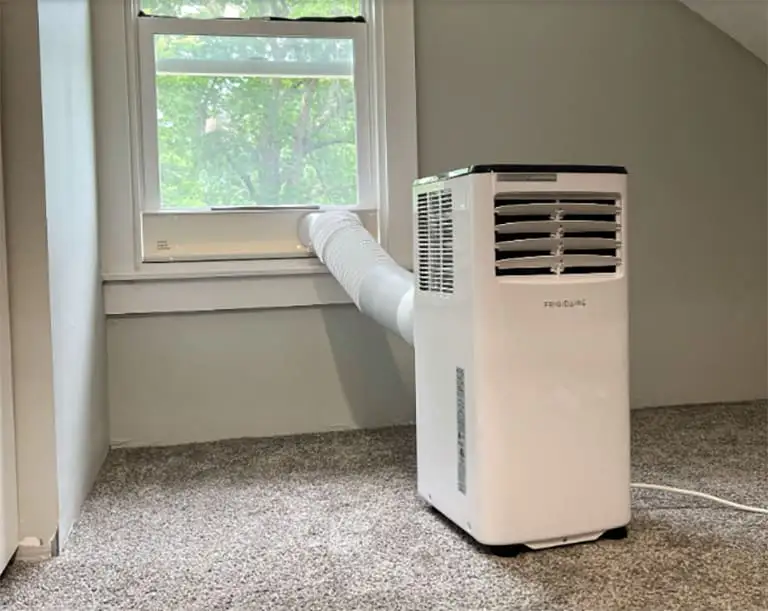
Installation process
Installing a portable air conditioner in Singapore is a simple, hassle-free process that often requires no professional assistance.
- Start by reading the user manual, ensuring you understand all components and steps.
- Position the unit near a window and power outlet, making sure it is on a flat surface for stability.
- Attach the exhaust hose to expel hot air and use the window kit to seal any gaps.
- Once plugged in, check for air leaks, adjust settings and enjoy a cool indoor environment.
A portable air conditioner is a single unit placed in the room it cools. It takes in warm air, cools it inside, and releases it through a grille. Excess warm air or moisture will also be expelled through a flexible hose connected usually to a window.
Portable air conditioners are a popular choice for non-permanent residences as well as dormitories and hostels. They are affordable, portable and easy to install, but less powerful and efficient, and also quieter than permanent air conditioner systems.
2. Split Systems
Currently all split air conditioner systems are using R32 refrigerant which has the lowest GWP (Global Warming Potential)
Single-Split Systems
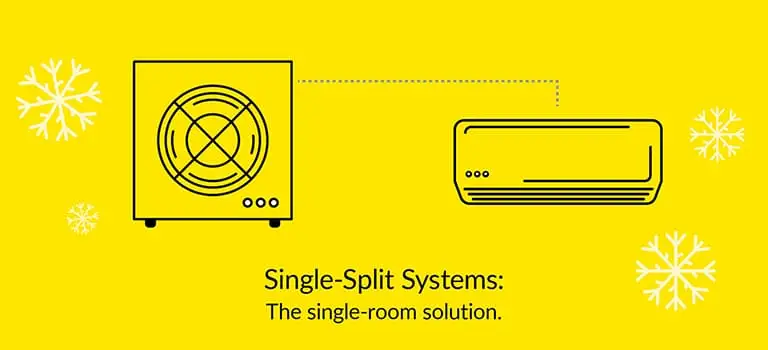
In the split-type air conditioner system, the units are split into two: an indoor unit (fan coil) and an outdoor unit (condenser).
In residential homes, the indoor unit, often wall-mounted, is called the fan coil. The outdoor unit, or condenser, is installed outside, either on the aircon ledge or mounted on the wall. The condenser is the core of the air conditioner system, containing the compressor that controls the refrigerant.
The refrigerant shifts between liquid and gas, travelling between the condenser and the fan coil, absorbing heat from inside and releasing it outside. This process is how air conditioners cool a room—by removing heat.
Multiple-Split Systems
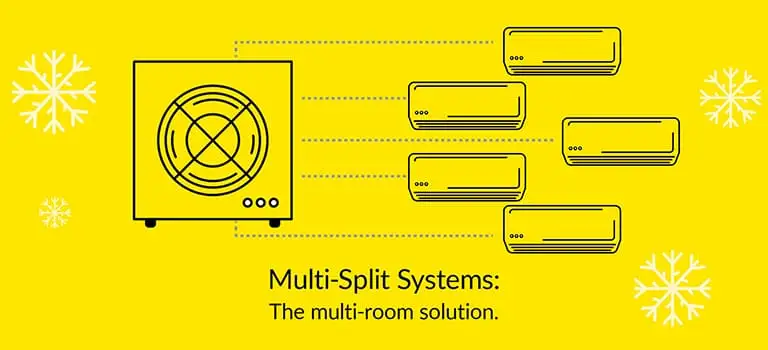
A multi-split aircon system consists of one condenser unit and up to 5 fan coils. However, because of the size of the condenser unit to fit Singapore apartments, there are limitations to the BTU rating of even the most powerful condenser units.
Some of the popular combinations in multi-split aircons are:
| System 2 | 9000BTU x 1 + 18000BTU x 1 (Studio apartment 1 bedroom, 1 living room) |
|---|---|
| System 3 | 9000BTU x 2 + 12000BTU x 1 (2 common rooms and 1 master bedroom) |
| System 4 | (9000BTU x 2 + 12000BTU x 1 + 18000BTU x 1 (2 common rooms, 1 master bedroom and living room) |
Consider Noise Levels: Quiet Air Conditioners for Bedrooms

Nobody likes a noisy air conditioner, especially when sleeping. If you are using an air conditioner in your bedroom or study, noise levels should be a key factor in your decision.
Air conditioners are measured by how much noise they emit. For a somewhat quiet setting, models with a rating around 50 dB or lower should be fine. Some of the quietest units out there even reach as low as 19 dB.
Go For Smart Features: Modern Air Conditioner for Convenience
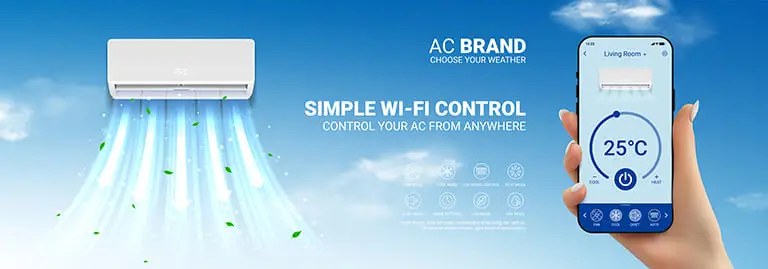
Technology has advanced significantly, and most air conditioners now boast intelligent features that bring more convenienceand control.
Looking for the best with intelligent features? Shop for units with the following features:
- Wi-Fi connectivity (Remote Control): The air conditioner can be controlled anywhere with just your smartphone.
- Timers: schedule settings for automatic on/off for energy savings.
- Eco-mode: automatically adjusts the amount of cooling to optimise energy consumption.
- Voice control: Some air conditioners have built-in smart home systems, allowing you to operate them with your voice.
- Air purifying mode: advanced air filtration systems and air purification Technologies will provide protection from odours, bacteria and viruses, mould, allergens, pollen, PM 2.5, and ensure moisture.
These intelligent features go a long way in making your air conditioner more convenient and efficient for a busy household.
Difference Between System 3+1 vs System 4
When choosing between System 3+1 and System 4 air conditioning systems in Singapore, it is important to understand their distinct features to make the best decision for your needs. System 4 links one outdoor unit to four indoor units, making it cost-effective and space-saving, ideal for cooling multiple rooms at once.
On the other hand, System 3+1 uses two outdoor units—one for three rooms and another for a single room—offering more flexibility, especially if rooms have varied usage patterns.
While System 4 is generally more energy-efficient, System 3+1 provides higher overall cooling capacity. Cost and energy consumption vary, with System 4 having lower upfront installation costs and better energy efficiency, while System 3+1 being better for homes needing more control over room-specific cooling. The choice ultimately depends on factors like cooling needs, space, and energy usage preferences.
Installation and Maintenance: Keep Your Air Conditioner Running Smoothly
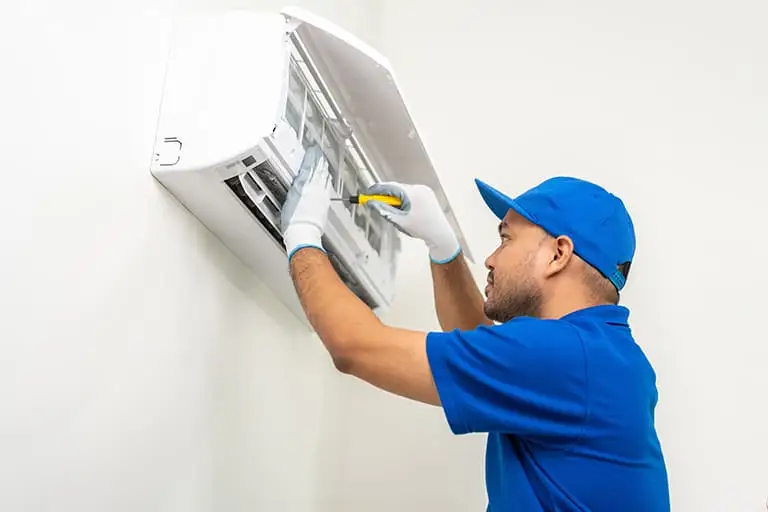
Once you've chosen the best air conditioner to suit your needs, you will need to install it efficiently. Hiring a professional installer ensures the unit is securely mounted, reducing the risk of leaks and inefficiency.
Regular maintenance is also required, especially when living in Singapore's humid climate, as air conditioners can build up moisture and mold if not cleaned appropriately. Therefore, depending on usage, it is recommended to have a servicing done every 3-6 months.
The life of your air conditioner will be further increased by the right maintenance, which helps in keeping the unit efficient.
Budget Considerations: Balancing Cost and Efficiency

Image Source: Shutterstock
Apart from the important initial price, consideration must be made of the costs over a longer period. An energy-efficient unit may cost more upfront but will save you money on electricity bills over time. Single and multi-split systems offer a good balance of performance and cost, making them popular in Singapore homes.
Also, take advantage of any promotions, energy rebates, or special deals from local retailers to help defray its cost.
Warranty and After-Sales Service: Ensuring Peace of Mind
When investing in an air conditioner, one should not be too lax with the warranty and after-sales service. Most such models come with a warranty of one year, but for the ones used frequently, like bedroom air conditioners, extended warranties are advisable.
Besides that, make sure that the manufacturer or retailer gives reliable after-sales support. This would save you from headaches later on, when you need some repairs or replacements.
| Category | Key Takeaways |
|---|---|
| Room size and BTU | Match the BTU (cooling capacity) to room size for efficient cooling. Example: 9,000-10,000 BTUs for common rooms (12-16 sqm.), 16,000-24,000 BTUs for living rooms (90-110 sqm.). |
| Energy efficiency | Look for higher Energy Efficiency Ratio (EER) and NEA tick ratings (aim for 4-5 ticks). More ticks mean lower energy consumption and long-term cost savings. |
| Types of air conditioners | Portable: Suitable for non-permanent residences (e.g., dormitories). Split-systems: Popular for homes with single/multiple rooms. |
| Noise levels | Choose units with noise levels around 50 dB or lower for quiet operation, especially in bedrooms. |
| Smart features | Popular features include Wi-Fi connectivity, timers, eco-mode, voice control and air purifying modes. |
| Installation & maintenance | Hire professionals for installation. Regular maintenance (filter cleaning, annual servicing) prolongs the life of the air conditioner. |
| Budget considerations | Balance initial cost with long-term savings through energy efficiency and special offers like climate vouchers. |
| Warranty & after-sales service | Opt for extended warranties and reliable after-sales support to avoid issues with frequent use in places like bedrooms. |
| System |
System3+1 has a higher Installation cost, is less efficient and needs additional space, but has higher cooling capacity and is more flexible as units can be operated independently. System4 is less flexible as all units operate together, has less cooling capacity, but has lower installation cost, is more energy-efficient, and requires less space. |
Conclusion: Finding the Right Air Conditioner for You
| Category | Key Takeaways |
|---|---|
| Room size and BTU | Match the BTU (cooling capacity) to room size for efficient cooling. Example: 9,000-10,000 BTUs for common rooms (12-16 sqm.), 16,000-24,000 BTUs for living rooms (90-110 sqm.). |
| Energy efficiency | Look for higher Energy Efficiency Ratio (EER) and NEA tick ratings (aim for 4-5 ticks). More ticks mean lower energy consumption and long-term cost savings. |
| Types of air conditioners | Portable: Suitable for non-permanent residences (e.g., dormitories). Split-systems: Popular for homes with single/multiple rooms. |
| Noise levels | Choose units with noise levels around 50 dB or lower for quiet operation, especially in bedrooms. |
| Smart features | Popular features include Wi-Fi connectivity, timers, eco-mode, voice control and air purifying modes. |
| Installation & maintenance | Hire professionals for installation. Regular maintenance (filter cleaning, annual servicing) prolongs the life of the air conditioner. |
| Budget considerations | Balance initial cost with long-term savings through energy efficiency and special offers like climate vouchers. |
| Warranty & after-sales service | Opt for extended warranties and reliable after-sales support to avoid issues with frequent use in places like bedrooms. |
| System |
System3+1 has a higher Installation cost, is less efficient and needs additional space, but has higher cooling capacity and is more flexible as units can be operated independently. System4 is less flexible as all units operate together, has less cooling capacity, but has lower installation cost, is more energy-efficient, and requires less space. |
Ultimately, the best air conditioner for any given person would depend on space, energy needs and personal preference. Understanding these key factors – from room size to energy efficiency, noise level and humidity control, to smart features – will drive the selection of the most suited aircon for your home in Singapore.
Remember to balance your initial budget with long-term operating costs and look at the air conditioner model that provides efficient cooling, intelligent features and quiet operations. With this guide, you are all ready to make smart decisions to enjoy cool, comfortable living throughout the year!
Ready to find the most suited aircon for your home? Explore our top recommendations here for energy-efficient and smart-featured optimal air conditioners.